


Brain health habits play a crucial role in protecting memory, improving focus, and supporting long-term cognitive function. Your brain is your most valuable asset, influencing every thought, decision, and action you take. Scientific research shows that daily habits play a crucial role in maintaining cognitive function, improving memory, and reducing the risk of age-related neurological decline. In this article, you’ll discover 10 evidence-based habits that can help support long-term brain health and enhance your overall well-being.
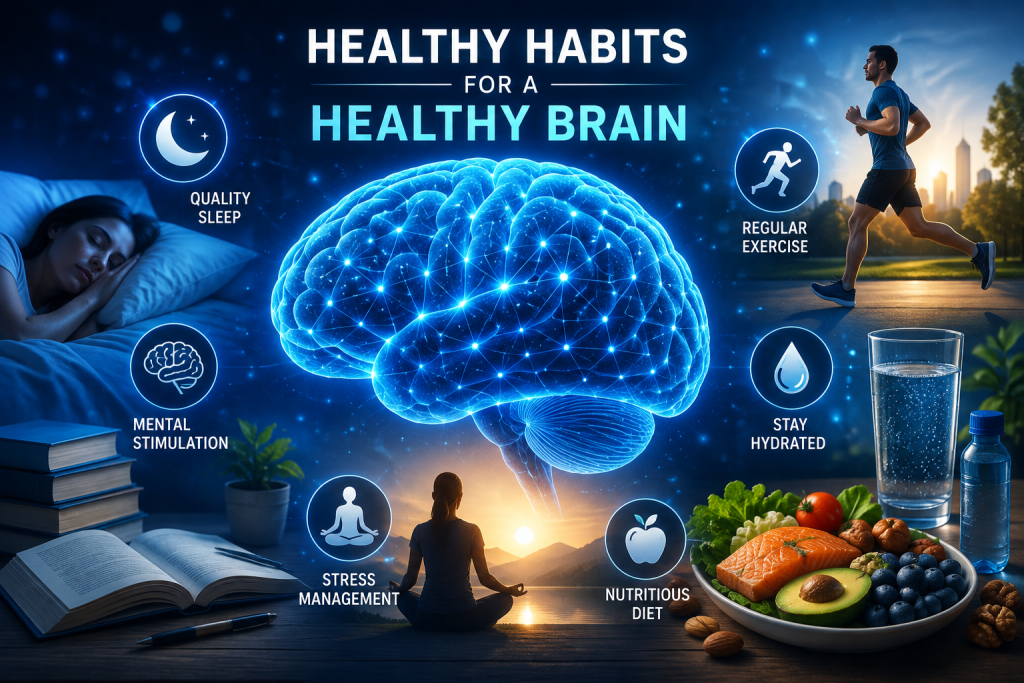
Table of Contents
Why Brain Health Habits Matter
Brain health is essential for memory, learning, focus, and emotional well-being. As we age, lifestyle choices become one of the most important factors influencing cognitive performance. Research consistently shows that healthy daily habits can reduce the risk of cognitive decline and improve overall brain function.
1. Prioritize Quality Sleep
Sleep is one of the most important factors for brain health. During deep sleep, the brain removes waste products, strengthens neural connections, and consolidates memories. Adults should aim for 7–9 hours of quality sleep each night to support cognitive performance and long-term neurological health.
2. Exercise Regularly
Regular physical activity increases blood flow to the brain, stimulates the growth of new neurons, and improves mood through the release of endorphins. Even 30 minutes of moderate exercise most days of the week can significantly benefit brain function.
3. Eat a Brain-Healthy Diet
A balanced diet rich in fruits, vegetables, whole grains, healthy fats, and lean proteins provides essential nutrients that support brain function. Omega-3 fatty acids, antioxidants, and vitamins found in foods like salmon, berries, walnuts, and leafy greens have been associated with better cognitive performance.
4. Challenge Your Brain
Keeping your brain active through reading, puzzles, learning new skills, or playing musical instruments helps build cognitive reserve. Lifelong learning encourages the formation of new neural pathways and may reduce the risk of cognitive decline later in life.
5. Manage Stress
Chronic stress can negatively affect memory, concentration, and emotional well-being. Practicing mindfulness, meditation, deep breathing exercises, or spending time in nature can help reduce stress levels and support a healthier brain.
6. Stay Socially Connected
Maintaining strong social relationships helps keep the brain active and reduces the risk of depression and cognitive decline. Regular conversations, family activities, and community involvement all contribute to better mental health.
7. Keep Learning
Learning new skills, languages, or hobbies stimulates the brain and encourages lifelong neuroplasticity. Challenging yourself mentally can improve problem-solving abilities and memory retention.
8. Protect Your Brain
Wearing helmets during sports, using seat belts, and preventing falls are simple but effective ways to reduce the risk of traumatic brain injuries that may have lasting consequences.
9. Stay Hydrated
Even mild dehydration can affect concentration, memory, and mood. Drinking enough water throughout the day helps maintain optimal brain performance and overall health.
10. Get Regular Health Checkups
Regular medical checkups help identify and manage conditions such as high blood pressure, diabetes, and high cholesterol, all of which can affect brain health if left untreated.
Conclusion
Brain health is influenced by the choices we make every day. By developing healthy habits such as sleeping well, exercising regularly, eating nutritious foods, managing stress, and staying mentally active, you can support cognitive function and reduce the risk of neurological decline throughout life.
Developing healthy brain health habits is a long-term investment in your future. Small daily actions, such as exercising, eating nutritious foods, sleeping well, and staying mentally active, can have a significant impact over time. Consistency is more important than perfection, and even modest improvements can help protect cognitive function as you age.
References
National Institute on Aging
https://www.nia.nih.gov
National Institutes of Health
https://www.nih.gov
Harvard Health
https://www.health.harvard.edu
Leave a Reply